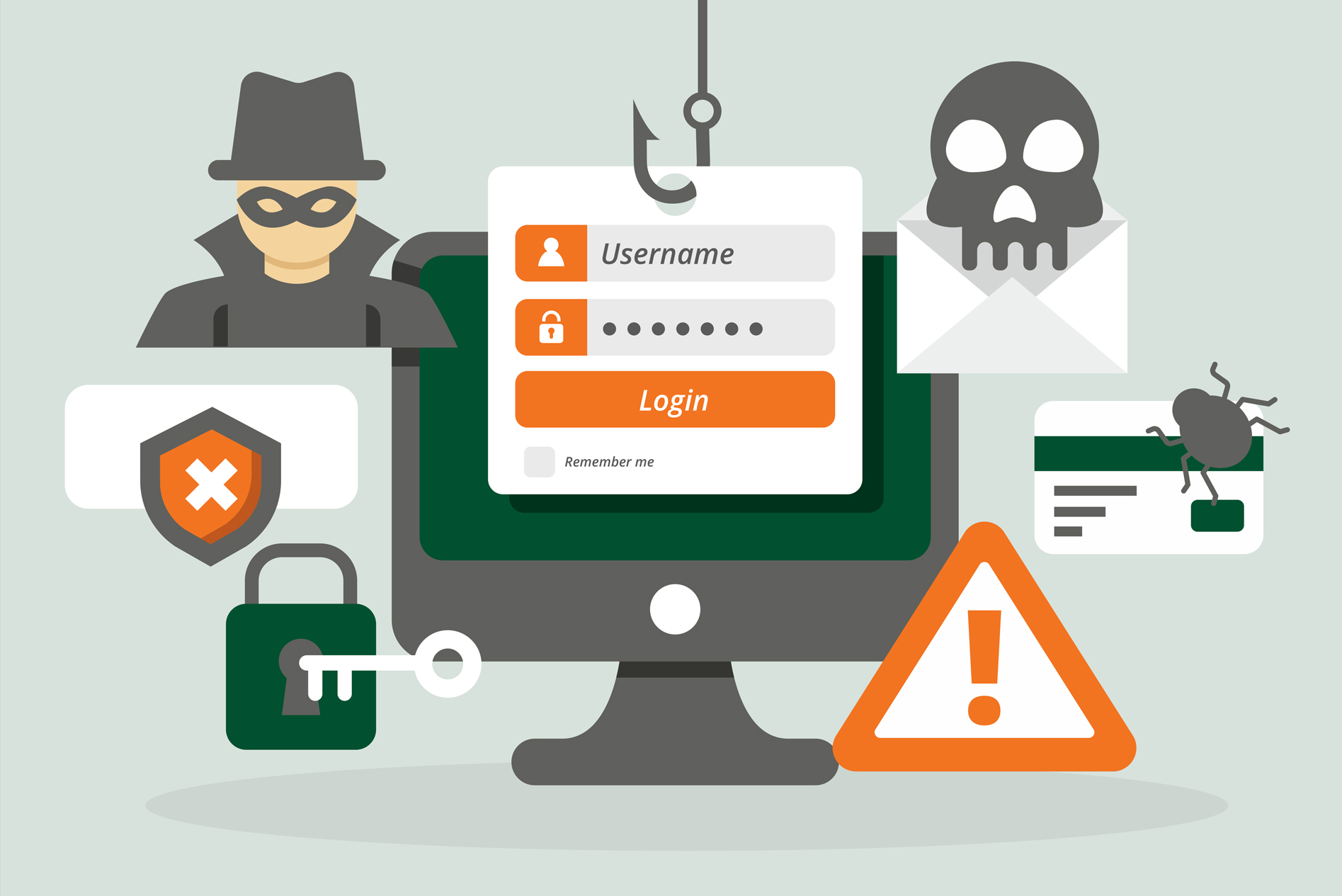
Learn how to indentify a phishing scam
Phishing scams are a type of cyberattack where attackers impersonate trusted organizations or individuals in order
to trick users into revealing sensitive information such as usernames, passwords, financial details, or personal data.
These attacks are commonly delivered through email, text messages, or fake websites that closely resemble legitimate services.
The goal of this module is to help users recognize phishing attempts and respond appropriately to protect themselves and their
organization.
Read More

Avoid clicking a malicious link or attachment.
Malicious links and attachments are common cyberattack methods used to deliver malware, steal sensitive information, or gain
unauthorized access to systems. Attackers often disguise harmful files or URLs as legitimate documents, invoices, or trusted
websites to trick users into interacting with them. This module helps users identify suspicious links and attachments and
understand how to safely handle them.
Read More

Watch for social media scam.
Social media scams are cyber threats where attackers use platforms like Facebook, Instagram, LinkedIn, or X (Twitter) to deceive
users into sharing personal information, sending money, or clicking malicious links. These scams often appear as fake profiles,
misleading advertisements, or messages that seem to come from trusted individuals. This module helps users recognize common
social media scams and respond safely.
Read More
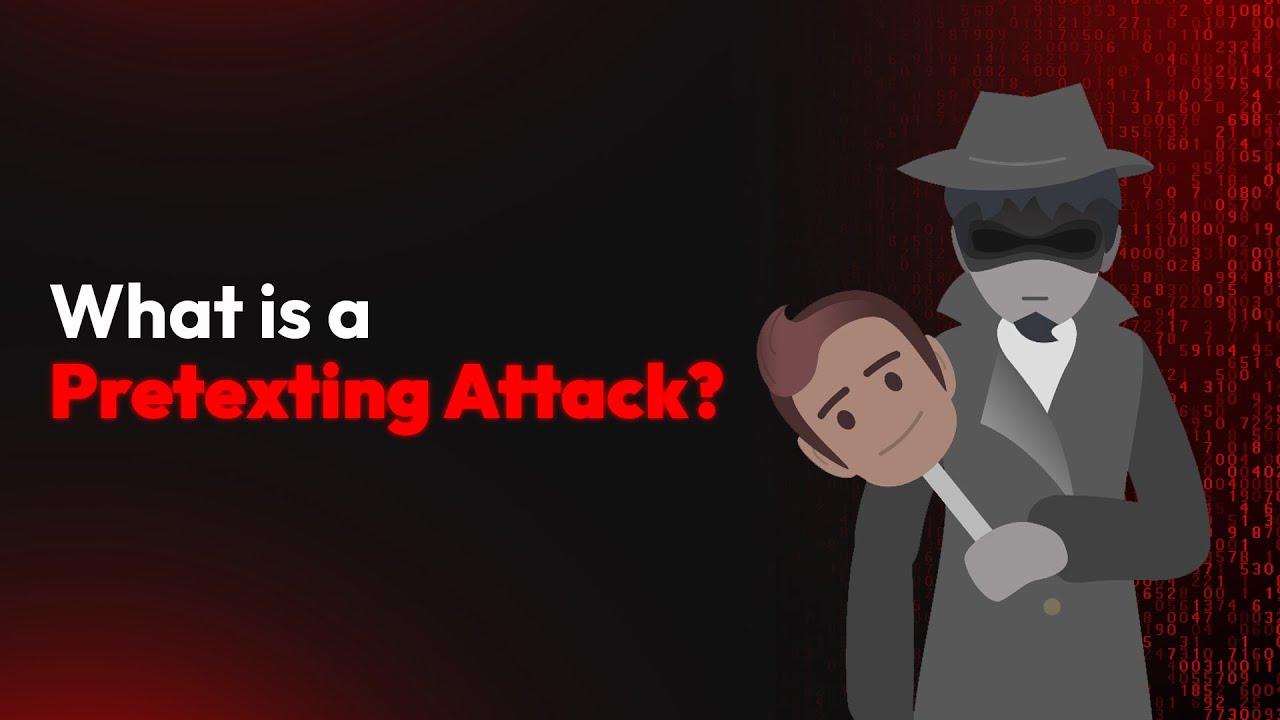
What is pretexting?
Pretexting is a form of social engineering where an attacker creates a false scenario or identity to trick individuals into
revealing sensitive information or performing actions they normally wouldn’t. These attacks often involve impersonating
trusted figures such as IT staff, managers, or service providers. This module helps users understand how pretexting works and
how to respond safely to such situations.
Read More
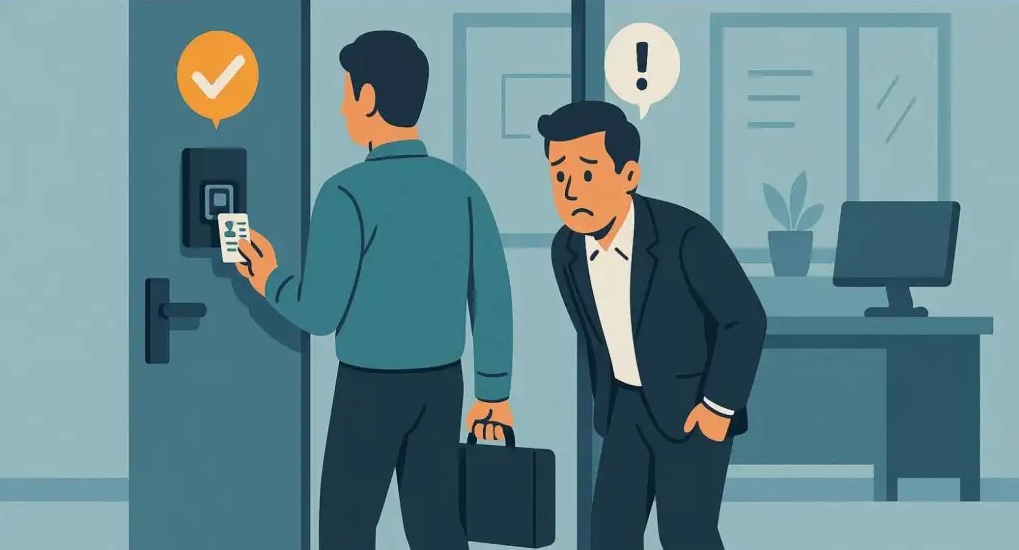
Tailgating is more dangerous than expected.
Tailgating, also known as piggybacking, is a physical security breach where an unauthorized individual gains access to a
restricted area by following an authorized person. Unlike digital attacks, tailgating targets physical access points such
as office entrances, secure rooms, or facilities. This module helps users understand the importance of physical security and
how to prevent unauthorized access.
Read More